VoIP vs Cloud Phone Systems | Key Differences


Difference Between VoIP & Cloud-based Phone Systems
Modern telecommunication has introduced various technologies to enhance business communication. Among these, VoIP (Voice over Internet Protocol) and cloud-based phone systems stand out as prominent choices. While both leverage the power of the internet for voice communication, they are distinct in their design and functionality. In this guide, we will explore the specifics of each, highlighting the key differences to provide a clear perspective for businesses considering these technologies. Let’s get into it.
VoIP: A Historical & Technical Perspective

VoIP, a pioneering technology, birthed the concept of transmitting voice over the internet.Its roots can be traced to the 1970s experimental endeavours, but it wasn't until the bandwidth boom of the late 1990s that VoIP emerged as a viable alternative to traditional telephony.
Technical Mechanism
VoIP translates analog voice signals into digital packets. These packets traverse the internet, courtesy of IP (Internet Protocol), reaching their destination where they're reconstituted into voice signals. This digital transformation is pivotal, allowing voice to leverage the speed, flexibility, and ubiquity of modern data networks.
Applications & Evolution
Over the decades, VoIP has manifested in various forms:
Softphones: Software-based phones on computers.
Adapters for Regular Phones: Devices enabling traditional phones to access VoIP services.
Dedicated VoIP Phones: Hardware specifically designed for VoIP calls. Given its versatility, VoIP has been embraced from personal, single-line services to expansive, multi-line business systems.
Cloud-Based Phone Systems: Elevating VoIP To The Cloud
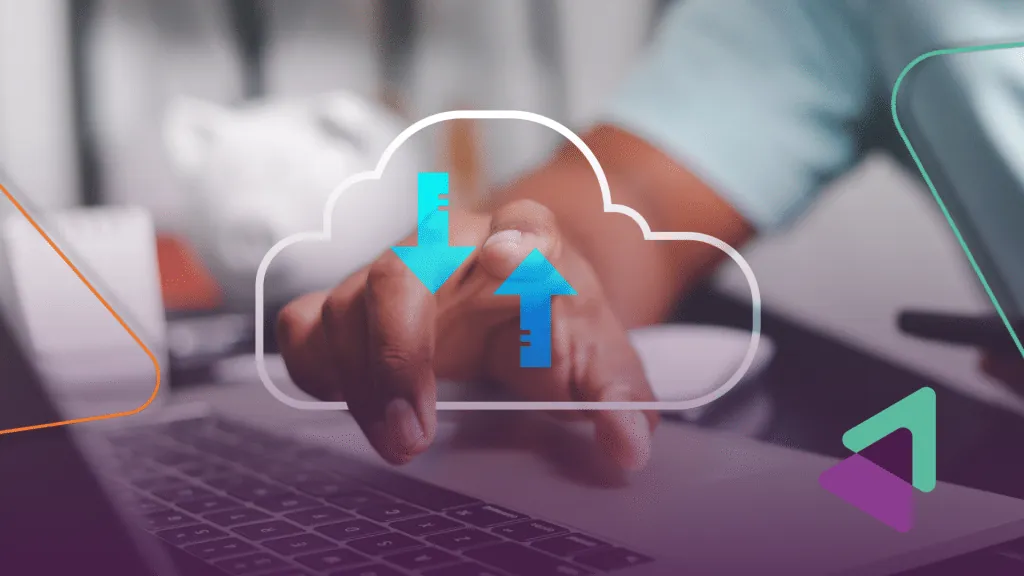
While VoIP laid the groundwork, cloud-based phone systems took the principle and superimposed it onto cloud infrastructure. The result is hosted IP telephony: a system that marries the internet-based voice capabilities of VoIP with the vast potential of cloud computing.
Technical Underpinnings
These systems still use VoIP for voice data transmission. However, the storage, management, and some processing aspects are handled in the cloud. This means the physical infrastructure - servers, switches, and more - resides off-premises in data centres managed by service providers.
Expanding Horizons
Beyond mere voice communication, cloud phone systems have integrated:
Unified Communications: Integrating voice, video, messaging, and collaboration tools.
Advanced Analytics: Offering insights into call patterns, durations, and quality.
Integration with Business Tools: Linking phone systems with CRMs, email platforms, and more for cohesive operations. The cloud model inherently offers agility, enabling businesses to adapt swiftly to changing needs.
Comparing & Contrasting: VoIP vs. Cloud-Based Systems
Now we’ve explained a little more about both systems, let's look at how they compare:
Infrastructure Paradigm: Traditional VoIP can be set up on-premises, demanding businesses house and maintain hardware. Cloud systems, in contrast, offload this responsibility to service providers.
Financial Models: VoIP, especially on-premises variants, can have significant initial costs. Cloud models often transition these to operational expenses with subscription-based pricing.
Flexibility & Scalability: Cloud solutions shine here, enabling easy scaling - both upwards and downwards - in line with business needs.
VoIP Vs. Cloud-Based Phone Systems: Which Is Better For Businesses?
The debate surrounding the most suitable communication technology often hinges on specific business needs.Let’s take a look at the benefits of cloud-based phone systems and VoIP.We’ll breakdown scenarios where one might be favoured over the other:
1. Cost Considerations
VoIP: On-premises VoIP systems generally require a higher initial investment due to the cost of hardware, installation, and set-up.However, once set up, they might have lower recurring costs.Cloud-Based: Cloud solutions typically operate on a subscription model. This can mean lower upfront costs but ongoing monthly or yearly fees.Over time, depending on the scale of the business and the chosen subscription plan, these costs can accumulate.
2. Scalability and Growth
VoIP: Scaling an on-premises VoIP solution can necessitate purchasing additional hardware or licenses.This can sometimes be a slower process and might disrupt operations momentarily.Cloud-Based: These systems shine when it comes to scalability. Businesses can quickly add or remove users based on demand, usually without any physical adjustments.
3. Maintenance And IT Overhead
VoIP: An on-premises VoIP system means the business is responsible for maintenance, updates, and troubleshooting.This can require a dedicated IT team and potentially lead to downtime during updates or repairs.Cloud-Based: Maintenance and updates are generally handled by the service provider, ensuring that the system is always up-to-date and reducing the IT burden on the business.
4. Flexibility And Remote Work
VoIP: Traditional VoIP systems can be less flexible for remote or off-site work unless they're integrated with additional software or solutions that allow for such operations.Cloud-Based: Given their internet-centric nature, these systems are often better suited for businesses with remote teams, multiple locations, or flexible work arrangements.
5. Features and Integrations
VoIP: Features can be robust, but adding functionalities might require additional integrations or software, which can come at an additional cost.Cloud-Based: Many cloud systems come with a suite of advanced features, from CRM integrations to advanced call analytics.New features can often be added through software updates without any hardware modifications.
The Road Ahead: Future Of Voice Communication
The world of voice communication is in flux.As internet speeds amplify and cloud capabilities expand, both VoIP and cloud phone systems are poised for further evolution.We might witness:Enhanced Integration: As businesses adopt a suite of digital tools, seamless integration between these platforms and voice communication systems will be paramount.AI & Voice: The integration of artificial intelligence can bring in voice assistants, real-time transcription, and advanced call analytics.Security Enhancements: As voice data travels over the internet, bolstering security to counter potential threats will be pivotal.
Our Final Word
The distinctions between VoIP and cloud-based phone systems, while subtle, carry profound implications for businesses. As we stand at the cusp of a new era in digital communication, understanding these nuances is not just academic but crucial for businesses aiming to harness the full power of digital voice solutions. If you’d like to talk about your options or discuss our managed IT services, contact us here. Read more: The Benefits Of Cloud Based Phone Systems.
Further reading: Discover The Differences Between Headsets | How Does A Cloud-Based Phone System Work?
What is the difference between VoIP and a cloud phone system?

How does VoIP work?
Which is better for a modern business?

Schedule a Free IT Audit & Cost Breakdown


Want it fixed and kept that way? From just £14 a month, we verify your domain and monitor it 24/7, so your email lands and nobody else can send as you.