Why business hours don't fit IT support any more


The working day has quietly stretched
Most IT support is still built around a nine-to-five office: a team that picks up the phone in the morning and goes home in the evening. That made sense when work happened at a desk during office hours. For a lot of businesses, it doesn't any more.
Microsoft's research into how people use its tools found that 40% of employees are checking email before 6am, and 29% are back in their inbox by 10pm. Meetings after 8pm were up 16% year on year, and 20% of employees were working at weekends, checking email before noon on Saturdays and Sundays.
That's not a judgement on whether people should be working those hours. It's a sign that "the working day" now has very blurry edges, especially for teams that work shifts, travel, work from home or serve clients in other time zones.
Attackers prefer the hours when nobody's watching
The people trying to break into your systems know when your office is empty. Security firm Sophos analysed 661 incidents its teams responded to between November 2024 and October 2025. In 88% of the ransomware cases, the attackers launched the encryption outside business hours. Ransomware is malicious software that locks your files and demands payment to unlock them.
It wasn't just ransomware. In 79% of cases where data was stolen, the theft also happened outside the normal working day. Sophos found the median time between an attack starting and someone detecting it was three days.
The pattern is simple. If an attacker starts on a Friday evening, they have the whole weekend before anyone is likely to look.
When something breaks at 9pm, who knows about it?
It isn't only attacks. Servers fail, internet connections drop and cloud services have bad days at any hour. The question for every business is the same: if something goes wrong tonight, does anyone find out before your team arrives in the morning?
For many businesses, the honest answer is no. The problem sits there overnight, and the first hour of the next working day is spent discovering it rather than fixing it. We looked at how quickly that adds up in the real cost of downtime for UK businesses.
Four questions to ask about your IT support
1. When does your business actually work?
Not your opening hours, but when your people really log on. Early starts, late shifts, weekend work and remote staff all count.
2. What happens out of hours?
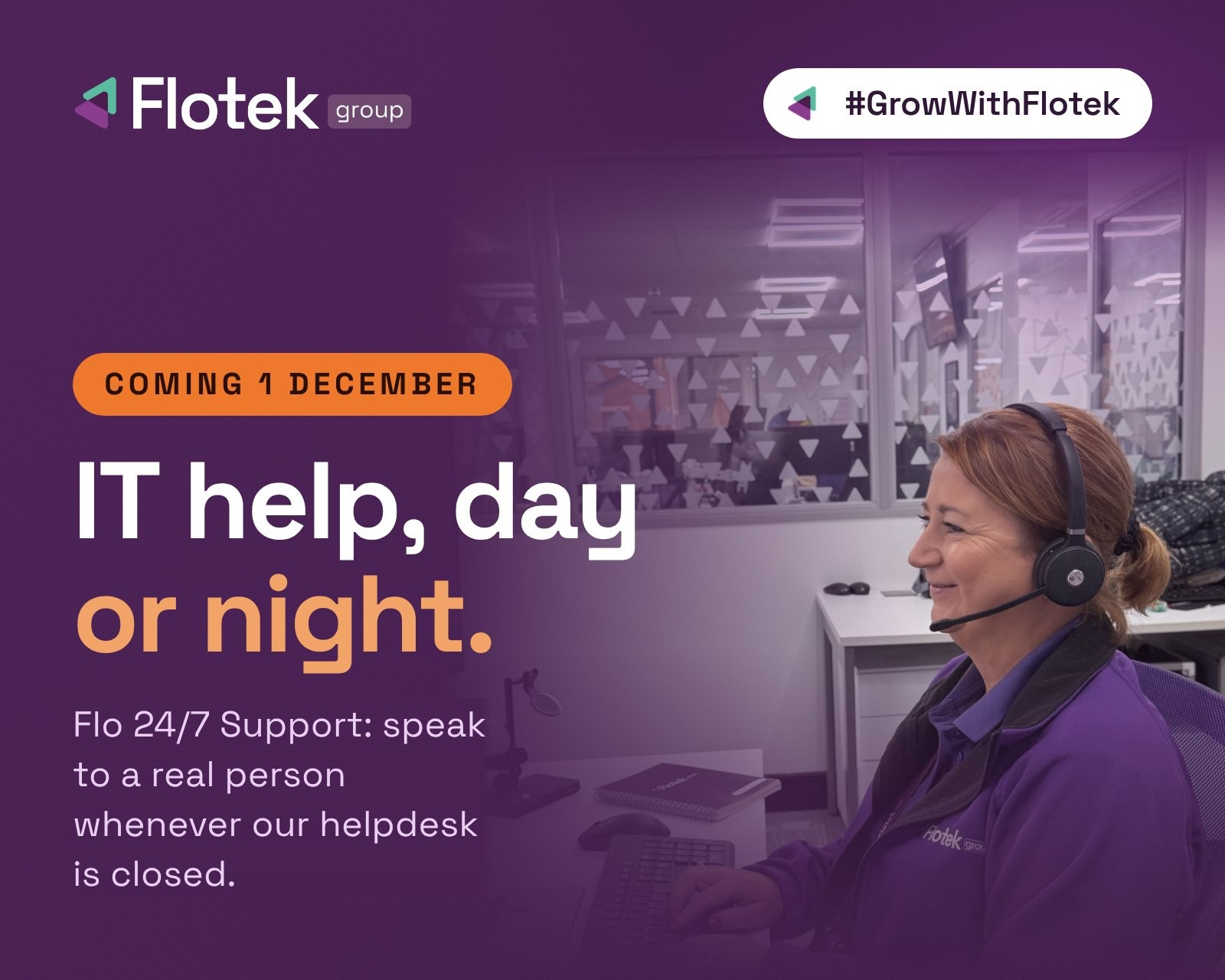
If someone in your team has a problem at 7pm, or a system fails at 2am, who do they call? Is anyone watching your systems, or does everything wait until morning?
3. Would you know if you were being attacked tonight?
Monitoring that only alerts someone during office hours leaves the hours attackers prefer uncovered. Ask what's watched, when, and who acts on an alert.
4. Does your support match your risk?
Not every business needs round-the-clock cover for everything. But you should be choosing that deliberately, based on what an hour offline costs you, rather than finding out the hard way. Managed IT support with proactive monitoring is a good place to start.
The bottom line
Work no longer fits neatly between nine and five, and neither do the problems that stop it. Support that clocks off when your office closes leaves a gap, and attackers know exactly where it is. If you'd like to talk through how well your business is covered outside office hours, get in touch with our team.
Sources: Microsoft Work Trend Index special report, "Breaking down the infinite workday", 17 June 2025; Help Net Security, Sophos Active Adversary Report 2026, 27 Feb 2026.
Further reading

Schedule a Free IT Audit & Cost Breakdown


Want it fixed and kept that way? From just £14 a month, we verify your domain and monitor it 24/7, so your email lands and nobody else can send as you.