






Microsoft Copilot: The Complete Guide


.avif)

Microsoft 365 Copilot: The Complete Guide for Business
Copilot has quietly become the biggest shift inside Microsoft 365 since the move to the cloud, but most businesses are only using a fraction of what's already sitting inside their subscription. This guide brings together everything we've written on Copilot, from the free tier most people don't know they have, through to the newest agentic features, so you can see the whole picture in one place rather than piecing it together from a dozen separate updates as Microsoft ships them.
What Microsoft 365 Copilot actually is
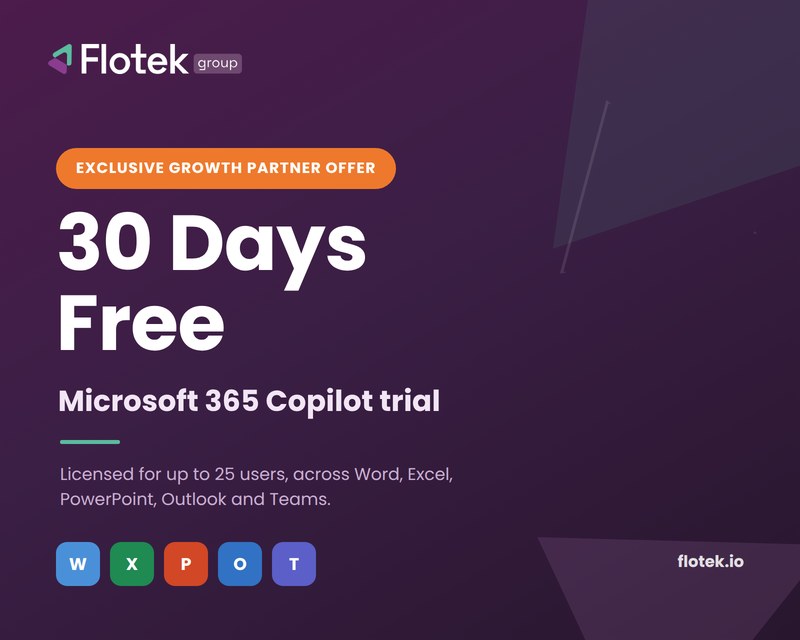
Copilot is Microsoft's AI layer built into the tools your team already uses, Word, Excel, Outlook, Teams and PowerPoint, rather than a separate application to learn from scratch. It works by drawing on the content you already have permission to see across your Microsoft 365 tenancy, your emails, documents, meeting transcripts and chat history, and using that context to draft, summarise, analyse and answer questions in natural language. There are several tiers to be aware of, which is where most of the confusion comes from. Many businesses don't realise that Copilot Chat is already included at no extra cost with most Microsoft 365 business plans, and that this free tier covers the vast majority of everyday tasks, drafting, summarising and analysing, without needing the paid Microsoft 365 Copilot licence at all. The paid tier adds deeper integration inside individual apps, like drafting directly in a Word document using its full content as context, or building formulas in Excel from a plain English description of what you need.
Getting real adoption, not just access
Having access to Copilot and actually using it are two different things, and this is where most rollouts quietly underdeliver. The businesses that get value from it are the ones that treat adoption as a proper piece of change management rather than a one off demo in an all hands meeting. That means identifying champions inside the business who use it daily and can show colleagues real examples from their own work, running repeated short demonstrations of actual use cases rather than a single launch event, and accepting that the habit takes a few weeks to form rather than expecting instant fluency. Businesses that skip this step tend to see Copilot usage spike after the initial announcement and then fall away within a fortnight, which is the single most common reason a Copilot rollout fails to show a return. If you want a structured approach rather than working it out as you go, our free Copilot Adoption Guide is worth downloading, and our Your First 60 Days with Microsoft Copilot guide lays out a week by week plan for getting a team properly bedded in.
Practical everyday wins
Some of the most useful Copilot features are also the least flashy, and they're worth starting with precisely because the payoff is immediate rather than theoretical. Our guide to Copilot in Outlook for email priority and calendar instructions covers how it can triage your inbox and manage scheduling using plain language instructions, surfacing the emails that actually need a response and drafting replies in your own tone once it's learned it. Our ten Outlook productivity hacks pairs neatly with it for anyone trying to get on top of a heavy inbox, since several of those hacks become far more powerful once Copilot is doing the triage work underneath them. For a monthly look at what's changing, and Microsoft ships new Copilot features on a near constant basis, our October Copilot updates roundup covers the latest features as they land so you're not relying on Microsoft's own release notes to keep up.
The next step: agentic AI with Copilot Cowork
Copilot is moving from an assistant that answers questions to an agent that takes action on your behalf, working through multi-step tasks with minimal supervision rather than waiting for a prompt at every stage. We cover what that means in practice, along with the data processing questions every business should ask before rolling it out, in Microsoft Copilot Cowork explained. It's a genuinely exciting development, agentic AI can chain together research, drafting and formatting tasks that would previously have taken a person an afternoon, but one worth adopting deliberately rather than switching on for everyone on day one, given how much more autonomy it's given over your data and systems compared with the chat based Copilot most people are used to.
Licensing and getting the security right
Before rolling Copilot out more widely, it's worth having your Microsoft 365 tenancy reviewed, since Copilot surfaces whatever data a user already has permission to see, which means old, overly broad permissions, a shared drive everyone can technically access, a SharePoint site with stale sharing links, get exposed to search and summarisation rather than created fresh by the rollout itself. This is the single biggest security consideration businesses miss: Copilot doesn't introduce new access, it just makes existing over-permissioned access far easier to discover. Getting your permissions tidy before go-live sits naturally alongside our wider cyber security services and Microsoft 365 and Azure solutions, both of which we'd recommend involving before a Copilot rollout rather than after.
Copilot for small businesses specifically
If you're running a smaller operation without a dedicated IT team, the value case for Copilot looks a little different, less about enterprise-scale efficiency gains and more about giving a small team leverage it wouldn't otherwise have. Our guide on how small businesses can use AI to improve productivity is written with exactly that scale in mind, covering practical use cases without assuming an enterprise budget, a dedicated IT department, or existing AI experience in the team.
Free resources: download our Copilot guides
If you'd rather work from a structured playbook than piece a rollout together from blog posts, we've put together two free downloadable guides. Our Copilot Adoption Guide covers the change management side properly, getting buy-in, building champions, and avoiding the usage drop-off most rollouts see after the first fortnight. Our Your First 60 Days with Microsoft Copilot guide is more tactical, a week by week plan for the first two months, from initial setup through to measuring real productivity gains. Both are worth grabbing before you start a rollout rather than after.
Our final word
Copilot rewards businesses that treat it as a proper rollout rather than a light switch. Start with what's already free, build genuine habits across the team through repeated real examples rather than a single demo, and only extend into the more advanced agentic features once your data and permissions are properly reviewed. If you'd like help planning a Copilot rollout for your business, get in touch with Flotek.





.jpg)








Schedule a Free IT Audit & Cost Breakdown

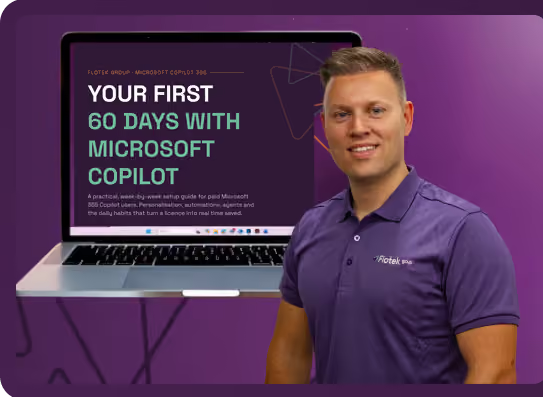
Download ‘Your First 60 Days with Microsoft Copilot’ Guide
%20amended%20logo.png)



.avif)
.avif)
%20(1).avif)
.avif)